Gua sha has become one of the most popular wellness and skincare practices in recent years. Originally rooted in Traditional Chinese Medicine (TCM), gua sha has evolved into a widely recognized technique used for both therapeutic body treatments and modern facial skincare routines. Many people incorporate gua sha into their daily self-care regimen to promote relaxation, improve circulation, and support healthier-looking skin.
With the growing popularity of beauty tools and holistic wellness, gua sha has attracted attention from skincare enthusiasts, massage therapists, athletes, and individuals seeking natural approaches to wellness. While social media has introduced facial gua sha to millions of users, the traditional practice has existed for centuries.
This guide explains what gua sha is, how it works, its benefits, proper techniques, safety considerations, and tips for beginners.
What Is Gua Sha?
Gua sha is a manual therapy that involves gently scraping the skin using a smooth-edged tool. Traditionally, practitioners used specially shaped stones, jade, horn, or other smooth materials to glide across the skin with controlled pressure.
Modern facial gua sha uses smaller tools designed for delicate facial contours, while traditional body gua sha often applies firmer pressure to larger muscle groups.
The goal is to stimulate circulation and encourage relaxation while supporting overall wellness.
Gua Sha Benefits
Many people practice gua sha for both wellness and cosmetic purposes.
Gua Sha for Relaxation
The gentle massage movements may help reduce muscle tension and encourage relaxation after stressful days.
Gua Sha for Circulation
Massage techniques used during gua sha may temporarily increase local blood circulation.
Gua Sha for Facial Massage
Facial gua sha has become popular as part of skincare routines because it provides a soothing massage experience.
Gua Sha for Muscle Recovery
Some individuals use body gua sha as part of post-exercise recovery routines alongside stretching and other recovery methods.
Gua Sha for Self-Care
Many users enjoy gua sha because it promotes mindful relaxation and consistent skincare habits.
Gua Sha History
Gua sha has been practiced in Traditional Chinese Medicine for hundreds of years.
Historically, practitioners used the technique to address muscle discomfort and promote overall well-being according to traditional medical principles.
Today, gua sha has expanded beyond traditional practice and is commonly used in wellness centers, spas, and home skincare routines around the world.
Gua Sha Tools
Several materials are commonly used to make gua sha tools.
Popular options include:
- Jade
- Rose quartz
- Stainless steel
- Bian stone
- Amethyst
The material itself is generally less important than proper technique and consistent use.
How to Use Gua Sha
Learning correct technique helps maximize comfort and minimize unnecessary irritation.
Clean Your Skin
Wash your face or body before beginning.
Apply Oil or Serum
Facial oil or massage oil helps the tool glide smoothly across the skin.
Hold the Tool Correctly
Keep the gua sha tool at a low angle against the skin.
Use Gentle Pressure
Facial gua sha should always use light pressure.
Repeat Consistently
Many people include gua sha in their skincare routine several times each week.
Gua Sha for the Face
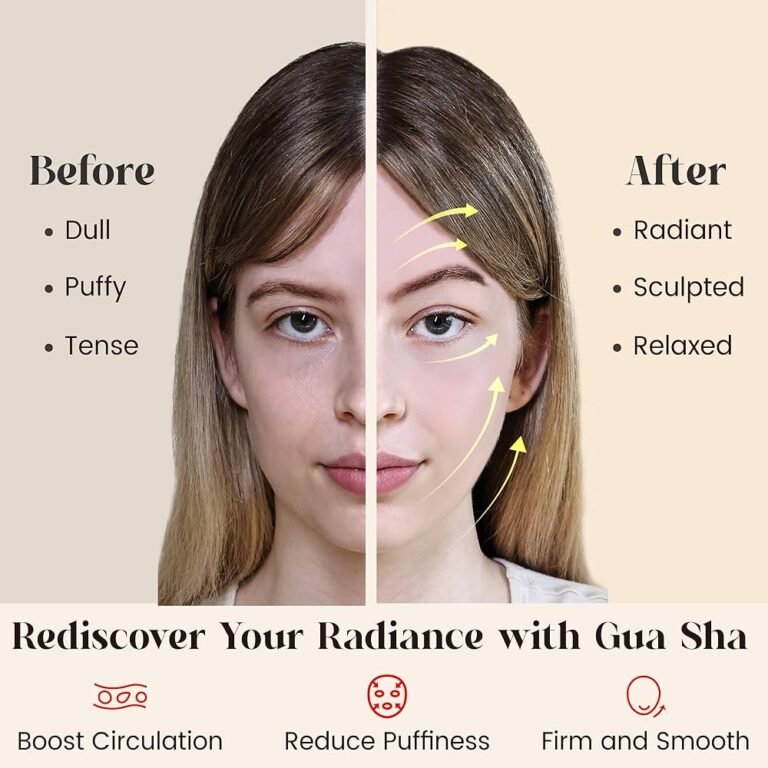
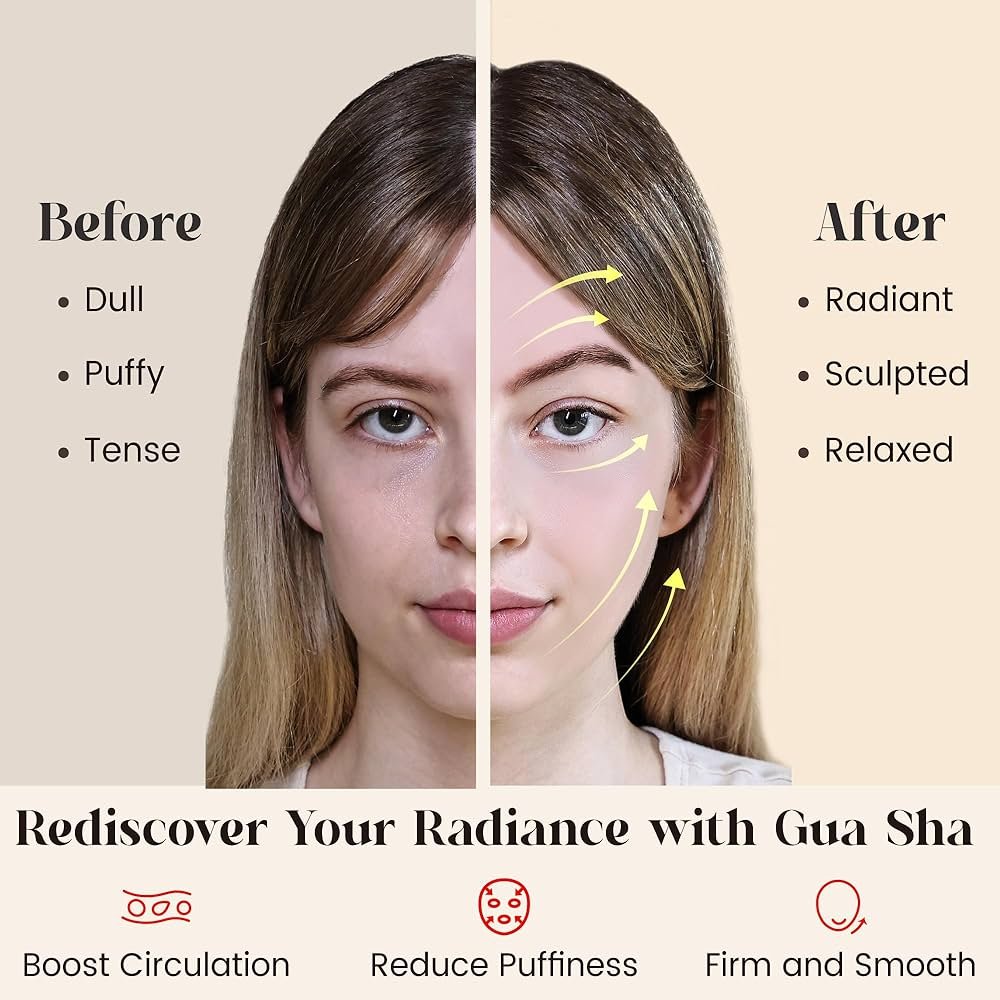
Facial gua sha has become especially popular in beauty routines.
Common treatment areas include:
- Jawline
- Cheeks
- Neck
- Forehead
- Brow area
Movements typically glide upward and outward using gentle strokes.
Gua Sha for the Body
Traditional body gua sha differs from facial gua sha.
Body treatments often focus on:
- Back
- Shoulders
- Legs
- Arms
- Neck
Professional practitioners may use firmer pressure depending on the treatment goals.
Gua Sha Safety Tips
Although gua sha is generally considered safe when performed correctly, several precautions should be followed.
Avoid Broken Skin
Do not perform gua sha over cuts, burns, infections, or irritated skin.
Use Clean Tools
Wash the gua sha tool before and after each use.
Avoid Excessive Pressure
Applying too much force increases the risk of bruising or discomfort.
Consult a Healthcare Professional
Individuals with bleeding disorders, certain medical conditions, or those taking blood-thinning medications should consult a qualified healthcare provider before using body gua sha.
Common Gua Sha Mistakes
Beginners often make simple mistakes.
These include:
- Using dry skin
- Applying excessive pressure
- Performing treatments too frequently
- Skipping tool cleaning
- Expecting immediate dramatic results
Gentle, consistent practice generally produces a more comfortable experience.
Gua Sha and Skincare
Facial gua sha works best when combined with an overall skincare routine.
Healthy skincare habits include:
- Daily cleansing
- Moisturizing
- Sunscreen use
- Hydration
- Balanced nutrition
No massage technique replaces basic skincare practices.
Who Can Benefit from Gua Sha?
Many healthy adults enjoy gua sha as part of their wellness routine.
It may appeal to:
- Skincare enthusiasts
- Wellness practitioners
- Individuals seeking relaxation
- People interested in facial massage
- Those looking for non-invasive self-care techniques
However, individual experiences vary.
Choosing a Gua Sha Tool
When selecting a gua sha tool, consider:
- Smooth edges
- Comfortable grip
- Quality materials
- Easy cleaning
- Appropriate size for facial or body use
Expensive tools are not necessarily more effective than well-made affordable options.
For readers interested in learning more about gua sha, skincare techniques, beauty routines, wellness practices, and healthy lifestyle tips, hinterlandy.com offers informative, reader-friendly articles designed to explain modern self-care methods using practical guidance supported by reliable health information whenever available.
Final Thoughts
Gua sha combines traditional wellness practices with modern skincare routines, making it one of today’s most popular self-care techniques. Whether used for facial massage or body relaxation, proper technique, gentle pressure, and realistic expectations are essential. While many people enjoy gua sha as part of their wellness routine, it should complement—not replace—professional medical care or evidence-based skincare when needed. Consistent practice, proper hygiene, and informed use can help individuals safely enjoy the experience.
Frequently Asked Questions
What is gua sha?
Gua sha is a traditional manual therapy that uses a smooth-edged tool to massage or gently scrape the skin.
What are the benefits of gua sha?
People commonly use gua sha for relaxation, facial massage, muscle recovery, and temporary improvements in local circulation.
How often should I use gua sha?
Many people practice facial gua sha several times per week, depending on their skincare routine and skin sensitivity.
Does gua sha require oil?
Yes. Facial oil or massage oil helps the tool glide smoothly and reduces friction.
Can beginners use gua sha?
Yes. Beginners should start with light pressure and proper technique while following basic safety recommendations.
Is gua sha safe?
For most healthy individuals, gua sha is generally safe when performed correctly. Those with certain medical conditions should consult a healthcare professional before beginning body gua sha treatments.