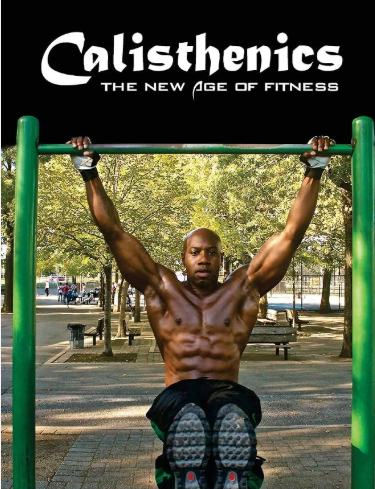
Calisthenics has become one of the fastest-growing fitness training methods worldwide. Unlike traditional gym workouts that rely heavily on machines and free weights, calisthenics uses your own body weight to develop strength, flexibility, balance, endurance, and coordination. Whether you are a beginner looking to improve your overall fitness or an experienced athlete aiming to master advanced bodyweight skills, calisthenics offers a versatile and effective training approach.
One of the biggest reasons for the popularity of calisthenics is its accessibility. Most exercises require little or no equipment, making it possible to train at home, in a park, or while traveling. With consistent practice and progressive overload, individuals can build impressive strength and muscular control using only their body weight.
This guide explains everything you need to know about calisthenics, including its benefits, common exercises, workout plans, safety tips, and how beginners can get started.
What Is Calisthenics?
Calisthenics is a form of strength training that uses bodyweight movements to improve physical fitness. Instead of relying on external resistance, these exercises focus on controlling and moving your own body efficiently.
Common calisthenics exercises include:
- Push-ups
- Pull-ups
- Chin-ups
- Dips
- Squats
- Lunges
- Planks
- Hanging leg raises
- Burpees
- Mountain climbers
These movements work multiple muscle groups simultaneously, improving both strength and functional movement.
Calisthenics Benefits
Calisthenics offers numerous physical and mental benefits.
Calisthenics Improves Strength
Bodyweight exercises build functional strength by training several muscles together during each movement.
Calisthenics Enhances Flexibility
Many exercises involve a full range of motion, helping improve mobility and joint flexibility.
Calisthenics Builds Endurance
Repeated bodyweight movements increase muscular endurance and cardiovascular fitness.
Calisthenics Improves Balance
Advanced exercises require body control, coordination, and stability.
Calisthenics Requires Minimal Equipment
Many workouts require only open space, making them affordable and convenient.
Calisthenics for Beginners
Starting calisthenics does not require advanced skills.
Beginners should focus on mastering basic movement patterns before progressing.
A simple beginner routine may include:
- Bodyweight squats
- Incline push-ups
- Knee push-ups
- Planks
- Glute bridges
- Walking lunges
- Assisted pull-ups
- Superman holds
Proper technique is more important than performing a high number of repetitions.
Best Calisthenics Exercises
Several exercises form the foundation of effective calisthenics training.
Push-Ups
Push-ups strengthen the chest, shoulders, triceps, and core.
Pull-Ups
Pull-ups develop the back, shoulders, and biceps while improving grip strength.
Dips
Dips primarily target the triceps, chest, and shoulders.
Squats
Bodyweight squats strengthen the legs and improve lower-body mobility.
Planks
Planks build core stability and posture.
Burpees
Burpees combine strength and cardio into one challenging movement.
Calisthenics Workout Tips
Following a structured routine helps maximize results.
Helpful tips include:
- Warm up before every session.
- Focus on proper form.
- Progress gradually.
- Train consistently.
- Allow adequate recovery.
- Stay hydrated.
- Eat a balanced diet.
Consistency matters more than intensity during the early stages.
Calisthenics Equipment
Although equipment is optional, certain items can expand training options.
Useful equipment includes:
- Pull-up bar
- Gymnastics rings
- Resistance bands
- Dip bars
- Parallettes
- Exercise mat
Even without equipment, many effective workouts are possible.
Calisthenics Progression
As strength improves, more advanced exercises become achievable.
Progressions often include:
Beginner Level
- Incline push-ups
- Assisted pull-ups
- Bodyweight squats
Intermediate Level
- Standard pull-ups
- Dips
- Hanging knee raises
- Diamond push-ups
Advanced Level
- Muscle-ups
- Front lever
- Human flag
- Planche
- Handstand push-ups
Progress should always be gradual to reduce injury risk.
Calisthenics Nutrition
Exercise performance depends partly on proper nutrition.
A balanced diet should include:
- Lean protein
- Whole grains
- Fruits
- Vegetables
- Healthy fats
- Adequate water intake
Nutrition supports muscle recovery and overall performance.
Common Calisthenics Mistakes
Many beginners make avoidable errors.
These include:
- Skipping warm-ups
- Poor exercise technique
- Training too frequently
- Ignoring recovery
- Comparing progress with others
- Advancing too quickly
Patience and consistency produce better long-term results.
Calisthenics Safety Tips
Safe training should always be the priority.
Recommendations include:
- Learn correct exercise form.
- Increase difficulty gradually.
- Listen to your body.
- Rest when needed.
- Consult a healthcare professional before beginning a new fitness program if you have existing medical conditions.
These practices reduce the likelihood of injury.
For readers interested in learning more about calisthenics, bodyweight training, fitness routines, exercise techniques, and healthy lifestyle tips, calisthenics.com provides informative articles designed to help beginners and experienced fitness enthusiasts improve their knowledge through practical, well-researched, and easy-to-understand content.
Final Thoughts
Calisthenics is an effective, accessible, and versatile form of exercise that helps improve strength, endurance, flexibility, and overall fitness using bodyweight movements. Because it requires minimal equipment and can be performed almost anywhere, it remains one of the best training methods for people of all fitness levels. By focusing on proper technique, gradual progression, and consistent practice, individuals can achieve long-term improvements in both physical performance and general health.
Frequently Asked Questions
What is calisthenics?
Calisthenics is a bodyweight training method that develops strength, flexibility, endurance, and coordination through functional movements.
Is calisthenics good for beginners?
Yes. Beginners can start with basic exercises and gradually progress as their strength improves.
Can calisthenics build muscle?
Yes. Progressive bodyweight training can help increase muscle strength and size when combined with proper nutrition and recovery.
Do I need equipment for calisthenics?
No. Many exercises require no equipment, although pull-up bars and gymnastics rings can expand training options.
How often should I practice calisthenics?
Many beginners train two to four times per week, depending on recovery and fitness goals.
Is calisthenics better than weight training?
Both training methods have benefits. The best choice depends on personal goals, preferences, and fitness experience.