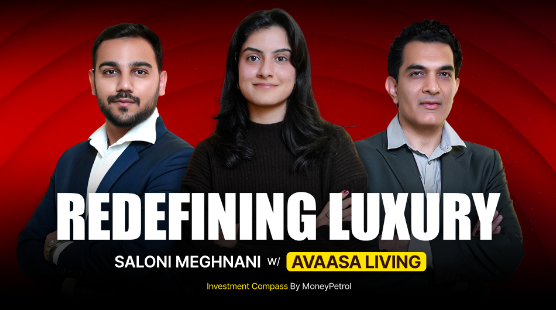
The Avaasa Living Podcast has sparked meaningful conversations around design, wellness, and innovation, especially in the evolving relationship between traditional wisdom and contemporary architecture. As modern lifestyles become more demanding, people are searching for spaces that not only look elegant but also promote harmony, positivity, and emotional balance. This growing interest has encouraged architects and developers to revisit ancient concepts like Vastu and adapt them to present-day living environments.
The Growing Relevance of Vastu in Contemporary Design
Vastu Shastra, an ancient Indian architectural philosophy, has long guided the planning and construction of homes, temples, and public spaces. Rooted in the balance of natural elements and directional energy, Vastu aims to create environments that support physical comfort, mental peace, and prosperity. While once associated mainly with traditional homes, Vastu principles are now finding a place in modern architecture across luxury residences, commercial spaces, and urban developments.
Today’s architects are increasingly blending aesthetic sophistication with functional well-being. This is where the vision of Avaasa Living becomes significant. Rather than treating Vastu as an outdated set of rigid rules, modern designers are interpreting it in flexible and practical ways that align with contemporary lifestyles. The result is architecture that feels open, balanced, and deeply connected to human experience.
Balancing Tradition With Urban Lifestyle Needs
One of the biggest challenges in modern architecture is accommodating urban limitations while maintaining comfort and efficiency. High-rise apartments, compact plots, and mixed-use developments often leave little room for traditional layouts. However, thoughtful architectural planning allows Vastu concepts to coexist with modern urban realities.
Natural light, proper ventilation, and spatial orientation are among the most commonly adopted Vastu-inspired design strategies. Large windows facing the right directions, intelligently placed living spaces, and open interiors help create a healthier atmosphere without compromising modern aesthetics. Avaasa Living frequently highlights how contemporary architecture can preserve cultural identity while embracing innovation and sustainability.
Modern homeowners are no longer interested in spaces that merely appear luxurious. They seek homes that support productivity, emotional wellness, and meaningful living. By integrating Vastu thoughtfully into design, architects are creating environments that feel calmer and more intuitive to inhabit.
Natural Energy and Architectural Harmony
One of the core ideas behind Vastu is the relationship between humans and natural energy. Architecture influenced by these principles often focuses on maximizing sunlight, encouraging airflow, and maintaining spatial balance. Interestingly, these concepts closely align with modern sustainable design practices.
For example, energy-efficient homes benefit from proper orientation and daylight optimization, both of which are strongly emphasized in Vastu planning. Open courtyards, minimal clutter, and balanced room placement not only enhance visual appeal but also improve the overall living experience.
Avaasa Living explores how architectural harmony extends beyond physical structure. The emotional atmosphere of a space matters just as much as its visual presentation. When homes are designed with intentional flow and thoughtful proportions, residents often experience improved focus, reduced stress, and greater comfort in daily life.
Luxury Architecture With Cultural Depth
Luxury architecture today is moving beyond expensive materials and extravagant finishes. Modern buyers increasingly value authenticity, wellness, and cultural connection. This shift has created opportunities for designers to incorporate meaningful traditional concepts into sophisticated contemporary spaces.
Vastu-inspired luxury homes often feature peaceful entrances, balanced layouts, and nature-integrated interiors. Water features, green spaces, and calm transitional areas contribute to an environment that feels restorative rather than overwhelming. These design elements appeal strongly to modern homeowners seeking a deeper emotional connection with their surroundings.
Avaasa Living recognizes that cultural wisdom can enhance architectural innovation rather than limit it. By integrating traditional spatial philosophies into modern luxury projects, developers are creating homes that feel timeless and emotionally grounded.
The Role of Wellness in Modern Architecture
The global conversation around wellness has significantly influenced architecture and interior design. People now understand that the built environment affects mental clarity, mood, and overall quality of life. This awareness has accelerated interest in design approaches that prioritize human well-being.
Vastu aligns naturally with wellness-focused architecture because it emphasizes balance, openness, and connection to natural elements. Bedrooms positioned for relaxation, kitchens designed around energy flow, and workspaces aligned for focus are all examples of how architecture can support healthier living habits.
Avaasa Living often discusses how wellness-oriented design is no longer a niche concept. It has become a central expectation among homeowners, investors, and developers alike. Spaces that promote peace and functionality are increasingly seen as valuable long-term investments.
Technology and Traditional Design Can Coexist
Contrary to popular belief, integrating Vastu into architecture does not require sacrificing modern technology or contemporary style. Smart homes, minimalist interiors, and advanced construction techniques can coexist seamlessly with traditional planning principles.
Architects today use digital tools, environmental simulations, and advanced materials to create spaces that are both technologically sophisticated and energetically balanced. Modern interpretations of Vastu focus more on harmony and intention rather than strict formulas. This flexibility allows designers to personalize spaces according to individual lifestyles and spatial limitations.
Avaasa Living highlights how the future of architecture lies in thoughtful integration rather than choosing between tradition and modernity. By respecting cultural knowledge while embracing innovation, architects can create spaces that are relevant, functional, and emotionally enriching.
A New Direction for Future Developments
As cities continue to expand and urban living becomes more complex, architecture will play a critical role in shaping human well-being. The demand for meaningful, sustainable, and emotionally intelligent spaces is expected to grow even further in the coming years.
Developers and architects are increasingly recognizing that buyers value homes offering more than visual appeal. People want environments that support personal growth, family connection, and mental peace. This evolving perspective is encouraging the integration of timeless principles into future-ready developments.
Avaasa Living continues to contribute to these conversations by exploring how architecture can bridge culture, wellness, and innovation. The growing popularity of discussions around mindful living and design also reflects the wider influence of platforms such as Dubai podcasts, where industry leaders, architects, and creators exchange ideas about the future of luxury real estate and modern living.