
Europe remains one of the world’s most popular travel regions, attracting millions of visitors for its historic cities, beautiful landscapes, cultural attractions, and diverse experiences. However, travelers naturally want to know is it safe to travel to europe now before booking flights and accommodations. The answer depends on the specific country and city you plan to visit, current local conditions, and how well you prepare for common travel risks.
Understanding Travel Safety Across Europe
Europe is not a single destination. It consists of many countries, each with its own laws, security conditions, transportation systems, healthcare services, and political environment.
Conditions can also vary within the same country. A major tourist city may have different safety considerations from a remote border region or rural destination.
Before traveling, consider:
- Current local security conditions
- Political demonstrations or civil unrest
- Transportation disruptions
- Weather conditions
- Healthcare availability
- Local laws and customs
- Tourist scams and petty theft
- Regional geopolitical developments
The goal is not to find a destination without any risk. Instead, responsible travel involves understanding potential problems and taking sensible precautions.
Common Safety Concerns for Travelers
Most European vacations are completed without major problems, but travelers should remain aware of several common risks.
Pickpocketing and Petty Theft
Pickpocketing can occur in crowded tourist areas, train stations, airports, markets, and public transportation.
Thieves may use distractions such as asking questions, creating confusion, or working in groups.
To reduce the risk:
- Keep wallets and phones in secure pockets.
- Use bags with reliable zippers.
- Avoid displaying large amounts of cash.
- Keep important documents secure.
- Be particularly alert in crowded areas.
- Avoid leaving phones unattended on tables or near open doors.
Tourist Scams
Tourists can sometimes be targeted by overpriced services, fake petitions, unofficial taxis, or other scams.
Research common scams before visiting your destination. If something feels unusually aggressive, confusing, or too good to be true, step away and verify the situation through an official source.
Demonstrations and Protests
European cities occasionally experience protests concerning political, economic, social, or international issues.
Most demonstrations may remain peaceful, but large gatherings can sometimes create transportation problems or become unpredictable.
If you encounter a demonstration, avoid walking directly through it. Choose another route and follow instructions from local authorities.
How to Evaluate a Destination Before Traveling
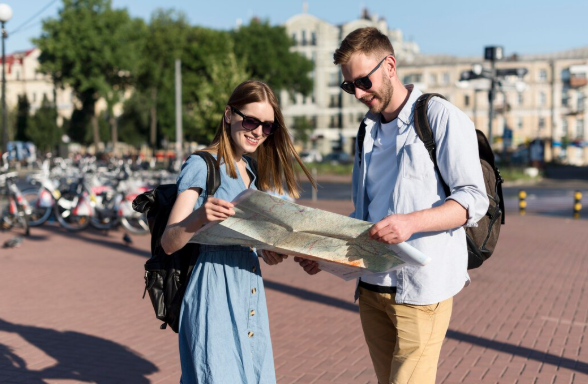
Instead of asking whether an entire continent is safe, evaluate each destination on your itinerary.
A practical assessment can include the following:
| Safety Factor | What to Research | Why It Matters |
|---|---|---|
| Crime | Common tourist-related crimes | Helps you prepare for local risks |
| Political conditions | Demonstrations and unrest | May affect transportation |
| Weather | Seasonal forecasts and hazards | Helps with packing and planning |
| Healthcare | Hospitals and emergency services | Useful during illness or injury |
| Transportation | Train, bus, and flight conditions | Helps prevent travel disruptions |
| Local laws | Rules for visitors | Prevents avoidable problems |
Check current government travel advisories before departure and again shortly before leaving. Travel conditions can change, so older information may not reflect the latest circumstances.
Safety in Major European Cities
Large cities can be convenient for travelers because they generally have extensive public transportation, hotels, restaurants, tourist services, and medical facilities.
At the same time, busy cities can have higher exposure to petty crime and tourist scams.
Staying Safe in Crowded Areas
Tourist attractions, metro stations, festivals, markets, and transportation hubs deserve extra attention.
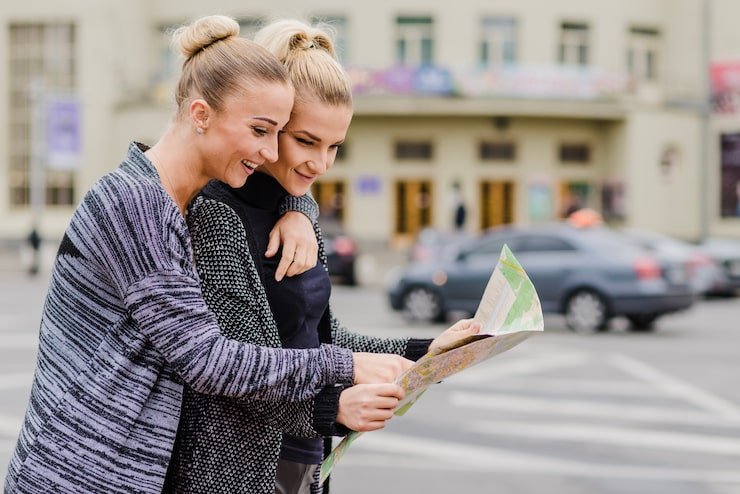
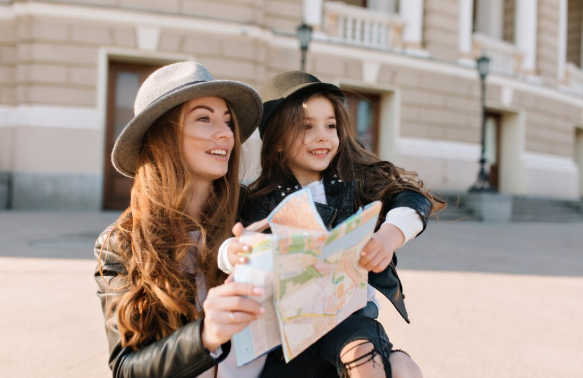
Keep your belongings close and avoid becoming distracted while checking maps or using your phone.
If you need directions, step into a hotel, café, shop, or another safe public location rather than standing in the middle of a crowded street while looking at your phone.
Staying Safe at Night
Many European cities have active nightlife districts, but travelers should use ordinary precautions.
Travel with people you trust, avoid excessive alcohol consumption, and use reputable transportation services when returning to your accommodation.
If you are unfamiliar with an area, research the route before leaving your hotel.
Transportation Safety
Europe is well known for its extensive transportation networks, including trains, buses, metro systems, ferries, and flights.
However, transportation can be affected by:
- Strikes
- Severe weather
- Technical problems
- Schedule changes
- Airport disruptions
- Road closures
If you have an important flight or tour, leave sufficient time between connections.
A traveler who plans every connection with only a few minutes of extra time can quickly face problems when the first part of the journey is delayed.
Train Travel
Train travel can be an efficient way to move between European cities. Keep your luggage within sight and check your platform and departure information carefully.
If you need to change trains, confirm the station and connection time before boarding.
Health Preparation for European Travel
Health preparation is another important part of international travel.
Before departure, consider:
- Travel insurance
- Prescription medications
- Copies of prescriptions
- Routine vaccinations
- Basic first-aid supplies
- Emergency medical information
Keep essential medication in your carry-on luggage instead of putting everything in checked baggage.
If you use prescription medication, verify that it can legally be brought into your destination country.
Food and Water
Food and water standards vary between locations, although many European destinations have strong food-safety systems.
Travelers should still use basic hygiene practices and be careful with unfamiliar foods if they have sensitive stomachs.
People with serious food allergies should learn how to explain their allergies in the local language.
Protecting Your Passport and Money
Your passport is one of your most important travel documents.
Make a secure copy of your passport and other important documents before leaving home. Keep the copies separate from the originals.
For money, consider carrying two payment cards and storing them separately. If one card is lost, stolen, or blocked, you may still have another payment method available.
Avoid carrying unnecessary amounts of cash.
A small amount of local currency can nevertheless be useful for transportation, small purchases, or situations where cards are unavailable.
Travel Insurance and Emergency Planning
Travel insurance can provide useful protection during an international trip.
Depending on the policy, it may cover certain medical expenses, trip cancellations, interruptions, lost luggage, or emergency transportation.
Always read the policy carefully because exclusions and coverage limits vary.
Before purchasing insurance, look at:
- Medical coverage
- Emergency evacuation
- Trip cancellation coverage
- Lost baggage protection
- Coverage exclusions
- Assistance procedures
Keep the insurer’s emergency contact details accessible during the trip.
What to Do If Conditions Change
Travel conditions can change after you arrive because of weather, strikes, demonstrations, transportation problems, or other unexpected events.
If something changes:
- Check reliable local information.
- Follow official instructions.
- Avoid areas experiencing active unrest.
- Contact your transportation provider if necessary.
- Keep your phone charged.
- Inform someone you trust about major changes.
- Maintain access to money and identification.
Do not rely exclusively on social media for urgent safety information. Posts can spread quickly without providing the complete context.
When You Should Consider Changing Your Plans
Sometimes changing an itinerary is the most sensible decision.
Consider postponing or modifying a trip if:
- Authorities strongly advise against visiting the destination.
- Serious unrest is ongoing.
- Transportation systems are severely disrupted.
- Dangerous weather is expected.
- You cannot obtain suitable travel insurance.
- You have personal circumstances that make travel difficult.
- You are uncomfortable with the current situation despite taking reasonable precautions.
Travel flexibility is valuable. Having an alternative destination or refundable accommodation can make unexpected changes easier.
Practical Tips for a Safer European Vacation
Good preparation can reduce stress and help you respond to unexpected situations.
Before Leaving Home
Create a simple travel folder containing:
- Passport information
- Accommodation details
- Transportation reservations
- Insurance information
- Emergency contacts
- Medication information
- Copies of important documents
Share your basic itinerary with a trusted person.
After Arriving
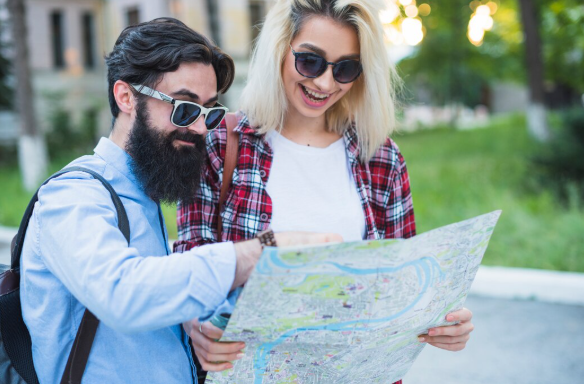
Take some time to understand your surroundings. Locate the nearest transportation station, pharmacy, grocery store, and medical facility if appropriate.
Save important addresses on your phone and keep your accommodation information available in case you need directions.
Learn a few basic local phrases. Even simple words related to greetings, directions, food, and emergencies can be helpful.
Key Points to Remember
- Europe contains many countries with different safety conditions.
- Research individual destinations rather than making assumptions about the entire continent.
- Petty theft is a common concern in crowded tourist areas.
- Avoid active demonstrations and follow official instructions.
- Keep passports, money, and electronics secure.
- Check transportation conditions before important journeys.
- Review current travel advisories before departure.
- Carry essential medication and copies of important documents.
- Consider appropriate travel insurance.
- Keep backup payment methods available.
- Stay flexible if conditions change during your trip.
Final Thoughts
Traveling through Europe can be an exciting and rewarding experience when you prepare carefully. Rather than relying on general headlines, travelers should research the specific countries and cities on their itinerary and pay attention to current conditions.
Simple precautions such as securing valuables, avoiding demonstrations, checking transportation updates, carrying appropriate insurance, and keeping emergency information accessible can make a significant difference.
The safest approach is informed and flexible travel. Understand the risks, prepare for realistic problems, monitor reliable information, and be willing to adjust your plans when circumstances require it. With sensible preparation, travelers can enjoy Europe’s historic landmarks, cultural experiences, natural scenery, food, and diverse destinations with greater confidence.
Frequently Asked Questions
1. Is Europe generally suitable for first-time international travelers?
Yes. Many European destinations have well-developed transportation, accommodation, healthcare, and tourism infrastructure. First-time visitors should still research local customs, laws, transportation, and common tourist scams.
2. What should travelers be most careful about in European cities?
Petty theft, pickpocketing, scams, and transportation disruptions are among the practical concerns travelers should consider. Keeping valuables secure and staying aware of your surroundings can reduce many common problems.
3. Should tourists avoid a city where demonstrations are occurring?
Not necessarily. A demonstration does not automatically make an entire city unsafe. However, travelers should avoid active protest areas and monitor local information for changes.
4. Is travel insurance worth having for a European vacation?
Travel insurance can be valuable because unexpected medical expenses, cancellations, interruptions, or lost luggage can be expensive. Review the policy carefully to understand its coverage and exclusions.
5. What should I do if an emergency happens while traveling?
Move away from immediate danger, contact the appropriate local emergency service, and follow instructions from authorities. Keep your passport, emergency contacts, insurance information, and communication devices accessible.


2 thoughts on “Is It Safe to Travel to Europe Now? A Practical Guide for Travelers”